
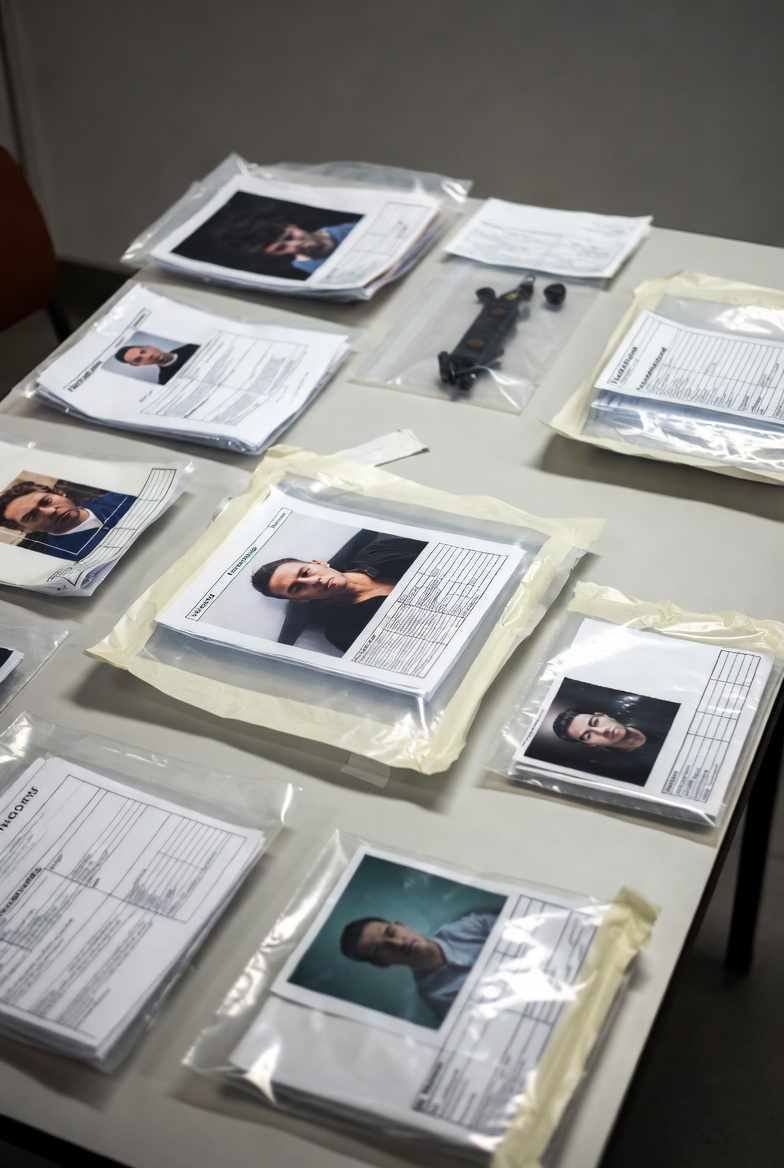
Plastic evidence bags play a crucial role in preserving the integrity of evidence for law enforcement, forensic teams, and investigative agencies. When used correctly, they help protect items from contamination, tampering, and loss. However, improper handling or selection of evidence bags can compromise investigations and weaken legal cases. Understanding the most common mistakes when using plastic evidence bags can help agencies maintain chain of custody and ensure reliable outcomes.
1. Using the Wrong Type of Evidence Bag
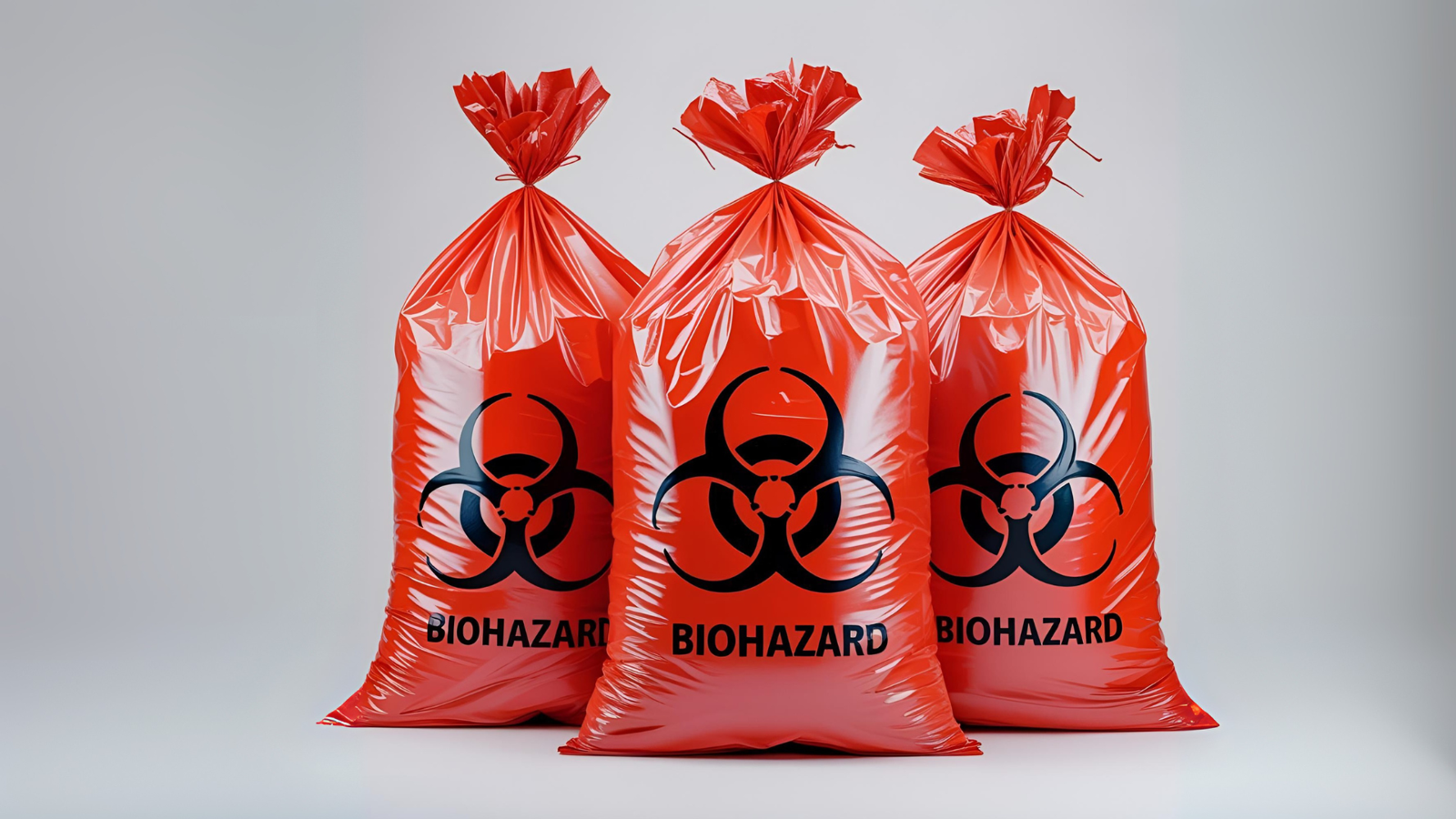
One of the most frequent mistakes is selecting an evidence bag that is not appropriate for the item being collected. Plastic evidence bags vary by size, thickness, closure type, and material. Using standard plastic bags for sharp objects, biological materials, or heavy items can lead to tearing or leakage. Specialized evidence bags—such as puncture-resistant, biohazard, or tamper-evident options—should always be chosen based on the nature of the evidence.
2. Failing to Use Tamper-Evident Closures
Not all plastic bags provide the same level of security. Using non–tamper-evident bags can raise serious concerns about evidence integrity. If a bag can be opened and resealed without visible signs, it may lead to challenges in court. Always use tamper-evident plastic evidence bags that clearly show any unauthorized access.
3. Improper Sealing of the Bag
Even when the correct bag is used, improper sealing can render it ineffective. Incomplete sealing, wrinkles near adhesive closures, or failing to follow manufacturer instructions can allow contamination or accidental opening. Officers and technicians should always double-check seals to ensure the bag is fully closed and secure before transport or storage.
4. Storing Wet or Biological Evidence Incorrectly
Placing wet evidence or biological samples directly into plastic evidence bags without proper preparation is another critical mistake. Moisture trapped inside plastic can encourage mold growth or degrade evidence. In many cases, breathable packaging such as paper bags should be used temporarily until items are dried, then transferred to plastic evidence bags designed for biological materials.
5. Overfilling Evidence Bags
Overfilling plastic evidence bags puts unnecessary stress on seams and closures, increasing the risk of tearing or seal failure. Evidence should fit comfortably inside the bag with enough space for proper sealing. Using the correct bag size improves durability and preserves evidence condition throughout handling.
6. Incomplete or Illegible Labeling
Failing to properly label evidence bags can disrupt the chain of custody. Missing details, unclear handwriting, or labels placed incorrectly can create confusion and weaken documentation. Each plastic evidence bag should be clearly labeled with case information, date, time, location, and the collector’s name, using permanent ink where required.
7. Reusing Evidence Bags
Reusing plastic evidence bags is a serious error that can lead to cross-contamination and legal complications. Evidence bags are designed for single use only. Reuse compromises cleanliness, security, and credibility, making evidence vulnerable to dispute.
Conclusion
Plastic evidence bags are essential tools for preserving justice, but their effectiveness depends on proper use. Avoiding these common mistakes—such as selecting the wrong bag, improper sealing, poor labeling, and reuse—helps protect evidence integrity and maintain compliance with legal standards. By following best practices and using high-quality, tamper-evident evidence bags, agencies can ensure reliable handling from collection to courtroom.







Write a comment ...